
3 Simple Kitchen Swaps for Better Hormone Health Wood, Steel, and Glass

Your kitchen can support hormone health before a single supplement ever enters the picture. The tools you chop on, cook with, and store food in touch your meals every day, often while food is hot, oily, acidic, or being reheated.
That does not mean every plastic container or nonstick pan is “toxic,” and it does not mean you need to throw out your whole kitchen tonight. Hormone health is complex. Sleep, stress, blood sugar, movement, nutrient intake, gut health, medications, and medical conditions all matter.
But if you want a simple place to start, your kitchen materials are a practical choice. The goal is to reduce everyday contact with substances that may interfere with the endocrine system, especially when safer, durable options are easy to use.
These are my top three hormone health kitchen swaps:
Plastic cutting boards to wooden cutting boards
Nonstick cookware to stainless steel cookware
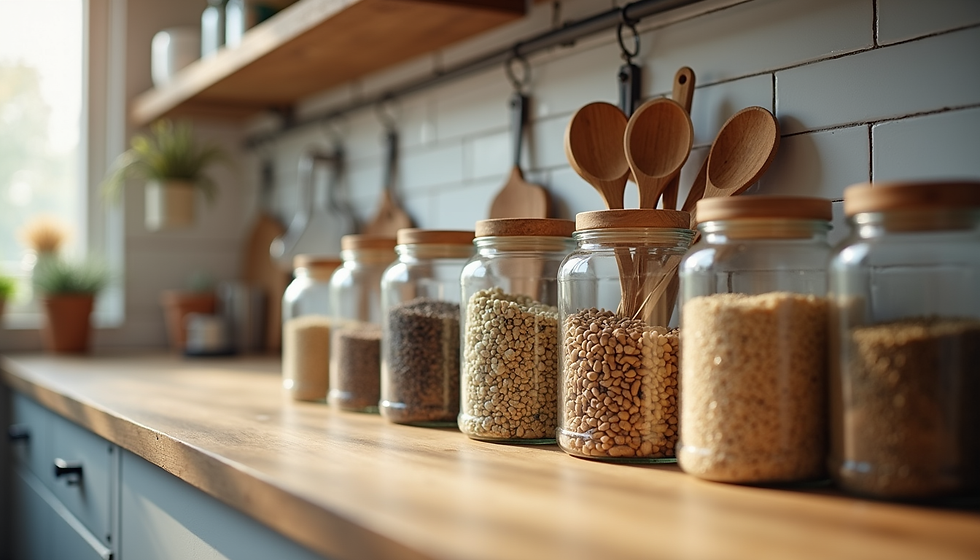
Plastic food storage to glass storage containers
Small swaps. Big daily impact.
Why kitchen materials matter for hormone health
Hormones are chemical messengers. They help regulate metabolism, mood, appetite, sleep, fertility, stress response, thyroid function, and blood sugar. The endocrine system is sensitive by design, so researchers pay close attention to chemicals that can mimic, block, or interfere with hormone signaling.
These are often called endocrine-disrupting chemicals, or EDCs. Some are found in plastics, some in coatings, some in packaging, and some in household products. Exposure usually does not come from one dramatic event. It tends to come from small, repeated contact over time.
In the kitchen, three things can increase the chance that chemicals migrate into food:
Heat
Fatty foods
Acidic foods
Scratching, wear, and age
Long storage time
That is why the biggest upgrades are not always trendy gadgets. They are the basic food-contact surfaces used every day.
A useful rule of thumb is this:
If a material touches your food often, especially when hot, oily, or acidic, make that material as simple and stable as possible.
Wood, stainless steel, and glass fit that idea well. They are not perfect in every situation, but they are reliable, long-lasting options that reduce reliance on plastic and coated surfaces.
This post is informational only and is not medical advice. If you have hormone-related symptoms, work with a qualified health professional for testing and treatment.
Swap 1. Choose wooden cutting boards instead of plastic
Plastic cutting boards are common because they are light, cheap, and easy to find. The problem is that they get cut up quickly. Every knife mark creates grooves where food particles can sit. Over time, those grooves can also shed tiny plastic fragments.
Wooden cutting boards age differently. A good wood board can last for years with basic care. It is sturdy, pleasant to use, and less likely to become deeply shredded when treated well.
For hormone-conscious kitchens, this swap matters because it reduces daily contact between food and worn plastic. It also cuts down on the amount of plastic touching fresh produce, meats, herbs, and cooked foods.
What to look for in a wooden cutting board
Not all wooden boards are the same. Look for boards made from hardwoods, since they tend to resist deep knife marks better.
Good choices include:
Maple
Walnut
Cherry
Beech
Teak from a responsible source
Choose a board that feels heavy and solid. A flimsy wood board can warp more easily. A thicker board usually handles daily use better.
If possible, pick an edge-grain or end-grain board. Edge-grain boards are common and often more affordable. End-grain boards are gentler on knives and can be very durable, though they usually cost more.
Avoid boards with strong chemical smells, peeling finishes, or decorative paint on the cutting surface. The food-contact surface should be simple and smooth.
How to use wood safely
Wood does need a little care. The good news is that the care is simple.
After chopping, wash the board with warm water and dish soap. Do not soak it in the sink. Do not put it in the dishwasher, since high heat and prolonged moisture can cause cracking or warping.
Stand it upright to dry so air can reach both sides.
For raw meat, poultry, or seafood, some people prefer to keep a separate board. That is a smart practice no matter what material you use. You can also reserve one wooden board for produce and bread, and another for animal proteins if you prepare them often.
To keep the board from drying out, rub it with food-grade mineral oil or a board cream when it starts to look pale or dry. This helps protect the surface and extends its life.

Swap 2. Cook with stainless steel instead of nonstick coatings
Nonstick pans are convenient, especially for eggs and delicate foods. The issue is that many nonstick pans rely on synthetic coatings. When those coatings scratch, flake, or get overheated, they become less ideal for everyday cooking.
Older nonstick cookware may contain or be associated with PFAS-related chemistry, often called “forever chemicals” because some persist in the environment and the body. Not every pan is the same, and regulations and manufacturing have changed over time, but many hormone-conscious cooks prefer to reduce coated cookware where they can.
Stainless steel is a strong alternative. It contains no nonstick coating, handles high heat well, and can last for decades. It is especially useful for searing, sautéing, simmering, boiling, and making one-pan meals.
Does it require a learning curve? Yes. Is it worth it? Also yes.
Why stainless steel is so practical
A stainless steel pan is one of the most versatile tools in the kitchen. You can use it for:
Vegetables
Chicken, fish, beef, or tofu
Sauces
Soups
Pasta dishes
Stir-fry style meals
Reheating leftovers on the stove
It can go from stovetop to oven if the handle is oven-safe. It tolerates metal utensils better than coated pans. It also scrubs clean without worrying about damaging a slick surface.
For better performance, look for stainless steel cookware with an aluminum or copper core. You may see terms like tri-ply or 5-ply. These layers help spread heat more evenly, since stainless steel alone is not the best heat conductor.
You do not need a giant set. A few pieces can cover most cooking:
10-inch or 12-inch skillet
3-quart saucepan
Large stockpot
Best everyday pan for sautéing, searing, and quick meals
Good for oats, rice, sauces, and reheating
Useful for soups, pasta, broth, and batch cooking
How to stop stainless steel from sticking
Most frustration with stainless steel comes from using it like a nonstick pan. It behaves differently, so the method matters.
Start with a dry pan. Warm it over medium heat. Give it a minute or two. To test the heat, add a few drops of water. If the water beads up and dances across the surface, the pan is ready.
Then add oil. Let the oil shimmer for a moment before adding food.
For proteins, place the food down and leave it alone. If you try to move it too early, it sticks. Once a crust forms, it usually releases much more easily.
A simple stainless steel rhythm looks like this:
Heat the dry pan.
Add oil.
Add food when the oil is hot.
Let the food cook before moving it.
Use liquid to loosen browned bits if needed.
Those browned bits are not a mistake. They are flavor. Add a splash of water, broth, lemon juice, or vinegar and scrape gently with a wooden spoon to make a quick pan sauce.
When to keep another option around
Stainless steel can do a lot, but you may still want a small specialty pan for certain foods. Cast iron and carbon steel are also durable options when seasoned well. Ceramic-coated pans can be useful, though they still require careful handling and may not last as long as stainless steel.
The main goal is not perfection. It is to make stainless steel your everyday default so coated cookware becomes the exception, not the foundation.

Swap 3. Store leftovers in glass instead of plastic
Food storage is one of the easiest places to reduce plastic contact. Plastic containers often hold hot leftovers, oily sauces, acidic foods like tomato soup, and meals that later get reheated. Those are exactly the conditions where many people prefer a more stable material.
Glass storage containers are simple, clear, and long-lasting. They do not hold stains and smells the way plastic can. They also make leftovers easier to see, which helps reduce food waste.
This swap is especially helpful if you meal prep or pack lunches. Food may sit in storage for hours or days. Choosing glass means the part touching your food is nonporous and easy to clean.
What kind of glass containers work best
Look for tempered glass containers with tight-fitting lids. Rectangular shapes stack well and use fridge space efficiently. Round containers are nice for soups, oats, fruit, and sauces.
A practical starter set includes:
Small containers for dips, berries, nuts, or sauces
Medium containers for lunches and leftovers
Large containers for chopped produce or family-size meals
A few glass jars for dressings, smoothies, broth, or overnight oats
The lids are often still plastic or silicone, and that is okay. The main improvement is that hot or acidic food touches glass instead of plastic. If the lid touches food often, avoid filling containers to the very top.
Let food cool before storing
Even with glass, good storage habits matter. Let steaming-hot food cool briefly before sealing it. You do not need to leave food out for hours, but trapping a lot of steam can make meals watery and may affect texture.
For plastic containers you still own, use them for dry goods or non-food items instead of hot leftovers. They can hold pantry packets, tea bags, snack wrappers, craft supplies, or drawer odds and ends.
If you are transitioning slowly, start with the foods most likely to stain plastic:
Tomato sauce
Chili
Curry
Soup
Oily roasted vegetables
Meals you plan to reheat
Those are the places where glass feels better right away.
How to make these swaps without wasting money
You do not need to replace everything at once. In fact, slow upgrades usually lead to better choices. You learn what sizes, shapes, and tools you actually use.
Try this order if you want the most impact with the least overwhelm.
Swap | Best first buy | Why it helps quickly |
Wooden cutting board | One medium hardwood board | You use it for daily prep |
Stainless steel cookware | One quality skillet | It replaces the most-used pan |
Glass storage | A few medium containers | They handle leftovers and lunches |
Start with the item you touch most. If you chop vegetables every day, buy the cutting board first. If you cook dinner most nights, start with the skillet. If your fridge is full of plastic tubs, go with glass containers.
Used and discount options can work too. Stainless steel is often easy to find secondhand because it lasts so long. Check that pans are not badly warped and that handles are secure. For glass containers, inspect for chips or cracks.
A thoughtful kitchen does not have to look perfect. It just needs to function well and reduce the exposures you can control.

The bigger picture of hormone-supportive cooking
Kitchen swaps work best when they support real meals. A glass container does more for you when it holds a balanced lunch. A stainless steel skillet becomes valuable when it helps you cook protein and vegetables at home. A wooden board earns its spot when it makes fresh food easier to prep.
For hormone health, daily rhythm matters. These habits pair well with the swaps:
Eat enough protein at meals.
Include fiber-rich foods like beans, vegetables, berries, and whole grains.
Use healthy fats such as olive oil, avocado, nuts, seeds, and fatty fish if they fit your diet.
Avoid skipping meals if it leads to energy crashes or intense cravings.
Keep caffeine paired with food if it makes you jittery.
Prioritize sleep and stress recovery as much as possible.
The kitchen environment can either make those habits easier or harder. When your basic tools feel safe, sturdy, and pleasant to use, cooking becomes less of a chore.
A simple swap plan for this week
If you want to begin now, keep it easy.
Day one, choose one plastic cutting board to retire from food prep. Replace it with a wooden board, or start researching one that fits your counter and budget.
Day two, cook one meal in stainless steel. Pick something forgiving, like sautéed zucchini, chicken strips, mushrooms, onions, or fried rice with leftover rice. Practice preheating the pan and letting food release naturally.
Day three, move one leftover meal into glass. If you already own a mason jar, start there. Soup, chia pudding, salad dressing, and overnight oats all work well in jars.
By the end of the week, you will know which swap feels most useful in your real routine.
Better hormone health is not built from fear. It is built from repeated choices that lower unnecessary stress on the body. Wood, steel, and glass are simple materials, but that is exactly why they work so well in a kitchen.
Start with one surface, one pan, or one container. Let the habit grow from there.


Comments